
Table of Contents
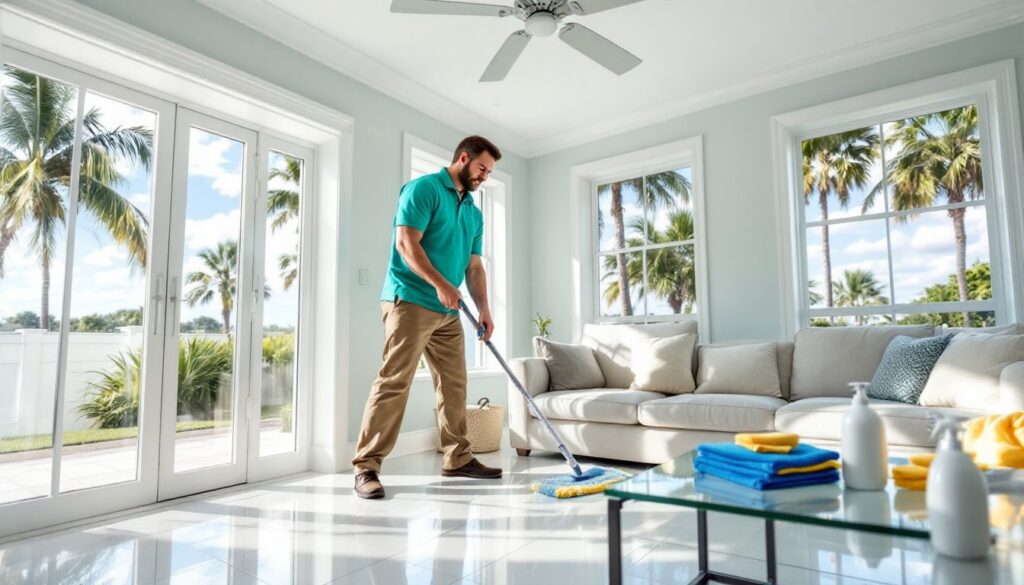
ToggleTampa’s subtropical climate means homeowners face unique challenges that go beyond dusting and vacuuming. High humidity, salt air, and year-round warmth create ideal conditions for mold, mildew, and allergen buildup inside homes. A spotless house in Tampa isn’t just about aesthetics, it’s about protecting the home’s structure and the health of everyone inside. This guide covers the practical strategies Tampa homeowners need to maintain clean, healthy living spaces even though Florida’s demanding environment.
Key Takeaways
- Tampa house cleaning requires year-round attention due to high humidity (60-80%), salt air, and frequent thunderstorms that accelerate mold growth, corrosion, and dirt accumulation beyond typical home cleaning needs.
- Control humidity first by running dehumidifiers, changing HVAC filters monthly, and cleaning AC drain lines quarterly to prevent mold colonies from forming in as little as 24-48 hours.
- Use hydrogen peroxide for mold removal on soft surfaces, white vinegar for hard water deposits, pH-neutral cleaners for tile floors, and microfiber cloths that dry faster to reduce mildew odors in Tampa’s humid climate.
- Establish a sustainable cleaning schedule with daily moisture control, weekly floor and appliance cleaning, monthly deep-cleaning rotations, and quarterly HVAC and drain maintenance to prevent expensive water damage and mold remediation.
- Hire professional house cleaning services for deep pre-listing cleanups, post-renovation dust removal with HEPA filtration, mold remediation exceeding 10 square feet, or recurring bi-weekly maintenance if managing large properties or facing mobility challenges.
- Seal grout lines annually, replace toilet wax rings showing water leaks, wash bedding in 130°F water every two weeks, and vacuum ceiling fans every two weeks to eliminate moisture-loving dust mites and allergen buildup unique to Florida’s subtropical environment.
Why Tampa’s Climate Makes Regular House Cleaning Essential
Tampa’s average humidity hovers between 60-80% year-round, creating a breeding ground for mold spores, dust mites, and bacteria. Unlike drier climates where occasional deep cleaning suffices, Tampa homes require consistent attention to prevent moisture-related damage and air quality issues.
The combination of heat and humidity means organic materials, wood trim, drywall, grout, stay damp longer after cleaning or exposure to moisture. Mold can establish colonies in as little as 24-48 hours under ideal conditions. Air conditioning units work overtime to combat the heat, cycling indoor air constantly and recirculating dust, pet dander, and outdoor allergens.
Salt air from Tampa Bay accelerates corrosion on metal fixtures, window tracks, and door hardware. Regular cleaning prevents buildup that leads to pitting, staining, and premature failure. Coastal homeowners within 5 miles of the bay should inspect and clean metal components monthly.
Frequent afternoon thunderstorms track dirt and moisture indoors. Entryways and high-traffic areas accumulate grit faster than in other regions. Without weekly attention, this abrasive material grinds into flooring finishes, wearing through protective coatings on tile, laminate, and hardwood.
DIY House Cleaning Tips for Tampa Homeowners
Tackling Humidity and Mold in Your Tampa Home
Control humidity first, then clean. Run dehumidifiers in rooms that consistently measure above 60% relative humidity, basements, bathrooms, and laundry areas top the list. Digital hygrometers ($15-25) provide accurate readings and help identify problem zones.
Clean HVAC filters monthly during summer months when systems run continuously. Standard 1-inch pleated filters (MERV 8-11) trap mold spores and allergens but lose effectiveness quickly in Tampa’s humid air. Mark filter change dates on a calendar: clogged filters reduce airflow and allow moisture to accumulate in ductwork.
Inspect window AC units and central air handlers for standing water in drain pans. Pour a 1:1 mixture of white vinegar and water down condensate drain lines quarterly to prevent algae and slime buildup that blocks drainage. A clogged drain line forces water into wall cavities or ceiling spaces, creating hidden mold growth.
For visible mold on non-porous surfaces (tile, glass, metal), mix 1 cup bleach per gallon of water. Spray affected areas, let sit for 10 minutes, then scrub with a stiff nylon brush. Wear rubber gloves, safety goggles, and work in ventilated areas, bleach fumes are harsh. For porous materials like drywall or ceiling tiles showing mold growth, removal and replacement typically beats cleaning. Mold roots penetrate porous surfaces and cleaning only addresses surface growth.
Keep bathroom exhaust fans running for 20 minutes after showers. Install timers ($15-30) to automate this. Wipe down shower walls with a squeegee immediately after use to remove standing water before it evaporates into the air.
Best Cleaning Products for Florida’s Unique Challenges
Acidic cleaners handle hard water deposits and mineral buildup common in Tampa’s water supply. White vinegar (5% acetic acid) dissolves calcium and lime on faucets, showerheads, and glass. For stubborn buildup, soak fixtures in undiluted vinegar for 30 minutes before scrubbing.
Hydrogen peroxide (3% solution) kills mold and mildew without bleach’s harsh fumes. It works on both hard and soft surfaces, making it versatile for grout, fabrics, and painted walls. Spray directly on affected areas and allow 10 minutes of contact time before wiping.
For daily cleaning, pH-neutral all-purpose cleaners preserve floor finishes better than alkaline formulas. Tampa’s tile floors, common in Florida construction, stay cleaner longer when cleaners don’t leave residue that attracts dirt. Testing on cleaning product effectiveness shows that pH-balanced formulas reduce re-soiling on ceramic and porcelain.
Microfiber cloths and mops outperform cotton in humid climates. They dry faster, reducing mildew odors, and trap particles instead of pushing them around. Wash microfiber separately in hot water without fabric softener, which clogs the fibers and reduces absorbency.
Room-by-Room Cleaning Strategies for Tampa Homes
Kitchen: Clean under and behind refrigerators quarterly. Dust buildup on condenser coils forces the compressor to work harder in Tampa’s heat, reducing efficiency and lifespan. Unplug the unit, vacuum coils with a brush attachment, then wipe with a damp cloth.
Degrease range hoods monthly. Grease traps moisture and provides food for mold. Remove metal filters and soak in hot water with 1/4 cup ammonia for 15 minutes. Scrub with a nylon brush, rinse thoroughly, and dry completely before reinstalling. Work in a ventilated area and never mix ammonia with bleach, it creates toxic fumes.
Bathrooms: Seal grout lines annually with penetrating sealer. Unsealed grout absorbs moisture and stains, becoming a mold magnet. Clean grout thoroughly, let dry for 24 hours, then apply sealer with a foam brush. This single step dramatically reduces cleaning frequency.
Replace toilet wax rings if you notice water around the base. Tampa’s settling soil and foundation movement can break seals. A failed wax ring leaks water into subflooring, causing rot and mold in hidden spaces. This is a 2-hour DIY job requiring a new wax ring ($5-10), adjustable wrench, and putty knife.
Bedrooms: Wash bedding in hot water (130°F minimum) every two weeks to kill dust mites. Tampa’s humidity keeps mattresses damp enough for mites to thrive. Vacuum mattresses monthly using the upholstery attachment. Mattress encasements ($30-60) block allergens and extend mattress life.
Living Areas: Vacuum upholstered furniture monthly, paying attention to crevices where pet dander and dust accumulate. For homes with organizational challenges, decluttering before cleaning prevents dusty items from competing for attention with actual cleaning tasks.
Clean ceiling fan blades every two weeks. Fans running year-round in Tampa collect thick dust layers that fall when the fan operates. Slip an old pillowcase over each blade, then pull back to trap dust inside the case instead of dropping it onto furniture below.
When to Hire Professional House Cleaning Services in Tampa
Professional services make sense for specific situations rather than routine maintenance. Deep cleaning before selling a home removes buildup that homeowners often overlook, grout lines, window tracks, baseboards, and light fixtures. A pre-listing clean typically costs $200-400 for a 1,500-square-foot home, varying by condition.
Move-in cleaning for previously occupied homes addresses the previous owner’s neglect. Professionals bring commercial-grade equipment, truck-mounted carpet cleaners, floor buffers, and HEPA vacuums, that deliver results beyond consumer tools.
Post-renovation cleaning requires professional help. Construction dust penetrates everywhere and requires specialized vacuums with HEPA filtration to avoid redistributing fine particles. Standard shop vacs lack adequate filtration for drywall dust and silica.
For mold remediation beyond 10 square feet of affected area, Florida building codes recommend licensed professionals. Small patches on bathroom tile qualify as DIY: extensive growth in attics, crawlspaces, or wall cavities requires assessment from certified mold remediators who can identify moisture sources and prevent recurrence.
Recurring professional service suits homeowners with mobility limitations, demanding work schedules, or large homes exceeding 3,000 square feet. Bi-weekly service for a typical Tampa home runs $100-150 per visit, though rates increase for homes requiring extensive detail work.
Vet cleaning companies by checking liability insurance and worker’s compensation coverage. Request references and verify the company conducts background checks on employees entering your home. Resources from home service guides emphasize the importance of verifying credentials before hiring any home service provider.
Creating a Sustainable Cleaning Schedule for Your Tampa Property
Daily tasks prevent Tampa-specific problems from escalating. Wipe kitchen counters and sinks after use to remove moisture before mold establishes. Squeegee shower walls after each use. Empty dehumidifier collection tanks before they overflow.
Weekly cleaning should include:
- Vacuum all floors, especially high-traffic areas
- Mop tile and hard surfaces with pH-neutral cleaner
- Clean toilets, sinks, and tubs
- Wipe down kitchen appliances and cabinet fronts
- Dust ceiling fans and light fixtures
- Empty all trash and recycling
Monthly tasks address areas that accumulate grime slowly:
- Deep clean one room per month on a rotating schedule
- Vacuum upholstered furniture and mattresses
- Clean window tracks and sills
- Inspect and clean HVAC vents and returns
- Wipe down baseboards and door frames
- Clean range hood filters and exhaust fan grilles
Quarterly maintenance prevents long-term damage:
- Inspect roof and gutters for debris (critical during Florida’s storm season)
- Clean refrigerator coils
- Flush water heater to remove sediment
- Test and clean smoke and CO detectors
- Inspect caulking around tubs, showers, and sinks
- Pour vinegar down AC condensate lines
Annual deep cleaning tackles neglected areas:
- Steam clean carpets and upholstery
- Wash windows inside and out
- Clean and seal grout lines
- Inspect attic and crawlspace for moisture, pests, and insulation issues
- Service HVAC systems professionally (coil cleaning, refrigerant check)
Document problem areas in a maintenance log. Note dates when mold appears, which rooms stay humid, and where water intrusion occurs during heavy rain. Patterns reveal chronic issues requiring permanent fixes, better weatherstripping, improved ventilation, or grading changes around the foundation.
For homeowners managing multiple properties or looking to streamline routines, incorporating proven time-saving strategies helps maintain consistency without burning out. Tampa’s climate demands persistence, but a structured schedule prevents small issues from becoming expensive repairs.