Table of Contents
ToggleAs technology continues to evolve, smart homes are becoming a staple in modern living. From voice-activated assistants to energy-efficient appliances, these innovations are transforming how people interact with their living spaces. Homeowners are embracing convenience and security, making smart home technology more than just a trend—it’s a lifestyle choice.
In 2023, several key trends are shaping the smart home landscape. With a focus on sustainability, integration, and user-friendly designs, these advancements are making homes safer, more efficient, and increasingly connected. Understanding these trends can help homeowners make informed decisions, ensuring they stay ahead in the rapidly changing world of smart technology.
Overview of Smart Home Trends
Smart home trends reflect the evolving needs of homeowners and advancements in technology. Key trends in 2023 include:
- Sustainability Focus: Homeowners prioritize energy-efficient devices. Smart thermostats and solar-powered gadgets contribute to reducing energy consumption.
- Integration: Devices increasingly operate seamlessly together. Home automation systems ensure compatibility between various smart technologies, enhancing user experience.
- User-Friendly Design: Aesthetic and functional designs cater to a broader audience. Devices feature intuitive interfaces that simplify operation for all ages.
- Voice Control Expansion: Voice-activated assistants dominate smart home interactions. Natural language processing improves response accuracy and user satisfaction.
- Enhanced Security Features: Smart security devices bring innovative protection. Surveillance cameras and doorbell cameras offer real-time monitoring and alerts for potential threats.
- Health and Wellness Integration: Smart systems support healthier living environments. Air quality monitors and smart lighting systems adjust to optimize well-being.
- Remote Access and Control: Homeowners manage devices from anywhere. Mobile applications streamline monitoring and adjustments while on the go.
These trends collectively improve convenience, security, and efficiency. Understanding these developments aids homeowners in making informed choices within the smart home market.
Popular Devices in Smart Homes
Smart homes feature various devices designed to enhance convenience, efficiency, and security. Below are some of the most popular devices currently transforming residential living.
Smart Speakers and Voice Assistants
Smart speakers, equipped with voice assistants like Amazon Alexa, Google Assistant, and Apple Siri, facilitate seamless interaction with technology. Users control devices, set reminders, and access information using voice commands. Smart speakers also support integration with other smart home devices, creating centralized control for lights, thermostats, and security systems. For example, linking a smart speaker to a security system allows users to check camera feeds or lock doors simply by speaking.
Smart Thermostats
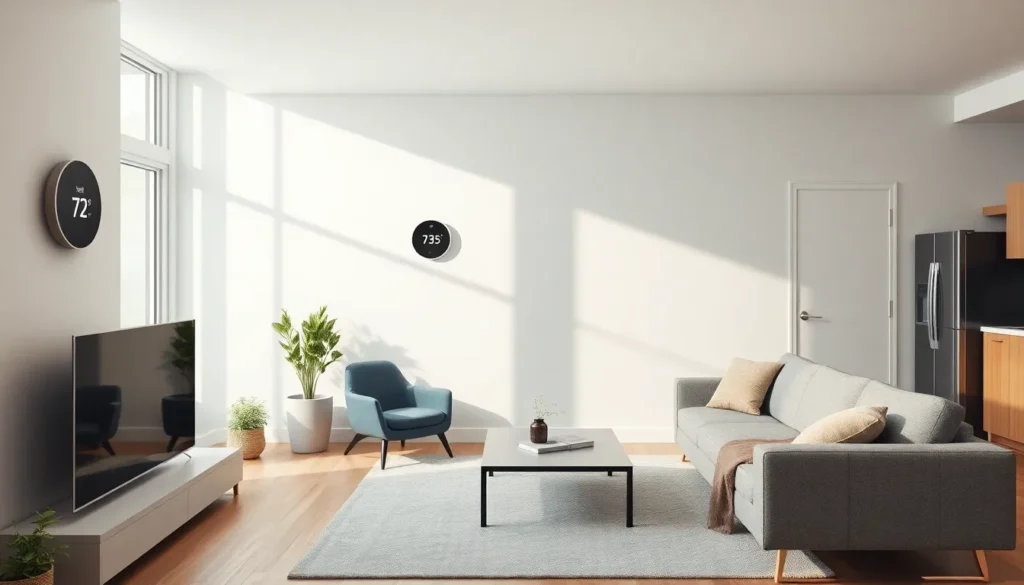
Smart thermostats, such as the Nest Thermostat and Ecobee SmartThermostat, optimize home heating and cooling. Users program schedules and adjust settings remotely via mobile applications, often resulting in significant energy savings. Smart thermostats analyze user behaviors, making temperature adjustments automatically to enhance comfort and efficiency. According to the U.S. Department of Energy, these devices can reduce energy consumption by up to 10-12% annually, making them a valuable addition to energy-efficient homes.
Smart Security Systems
Smart security systems comprise interconnected devices, including cameras, doorbell cameras, motion sensors, and smart locks. Systems like Ring and Arlo provide real-time monitoring and alerts through mobile applications. Users can remotely view camera feeds and communicate with visitors at the door. Enhanced features, such as facial recognition and motion detection, offer increased security and peace of mind. Market analysis shows that the global smart security system market is expected to reach $74 billion by 2024, indicating strong demand for advanced security solutions.
Integration with IoT Technology
Integration with Internet of Things (IoT) technology significantly transforms smart homes. This technology enables devices to communicate, share data, and operate together, enhancing the overall smart home experience.
Benefits of IoT in Smart Homes
- Enhanced Automation: IoT devices streamline household tasks, allowing automation of lighting, heating, and security features based on personal preferences. Homeowners can schedule routines or adjust settings remotely.
- Energy Efficiency: IoT technology optimizes energy consumption by analyzing usage patterns. Smart thermostats and energy-efficient appliances can reduce energy bills while maintaining comfort.
- Improved Security: IoT integration enhances home security through smart cameras, door locks, and alarms. Homeowners receive immediate alerts on unusual activities, improving response times.
- Convenient Monitoring: Smart devices provide real-time data on home status. Homeowners can monitor energy use, temperature, or security remotely via mobile apps, enhancing control and peace of mind.
- Scalability: IoT allows for easy integration of additional devices. Homeowners can expand their systems step by step, adapting to new technologies as they emerge.
Challenges of IoT Integration
- Interoperability Issues: Different manufacturers may use varying protocols, leading to compatibility challenges. Homeowners may encounter difficulties when trying to integrate devices from multiple brands.
- Security Vulnerabilities: IoT devices can create security risks if not properly protected. Cyberattacks targeting poorly secured devices or networks can threaten personal data or home safety.
- Data Privacy Concerns: IoT devices collect extensive user data. Homeowners must ensure that their privacy is protected and understand the implications of sharing their information with various services.
- Initial Costs: Setting up an IoT-enabled smart home can require a significant upfront investment. High-quality devices and necessary infrastructure may strain budgets for some homeowners.
- Technical Complexity: Some homeowners may face difficulties in configuring and managing IoT devices. A lack of technical expertise could hamper the personalization and effectiveness of smart home systems.
Sustainability in Smart Home Trends
Sustainability drives many current smart home trends, reflecting a growing awareness of environmental impact. Smart technology focuses on energy efficiency and eco-friendly solutions, creating a balance between convenience and sustainability.
Energy Efficiency Innovations
Energy efficiency innovations play a crucial role in smart homes. Smart thermostats adjust heating and cooling based on usage patterns, reducing energy waste. Energy monitoring systems track consumption in real time, allowing homeowners to identify and minimize high usage. Additionally, automated lighting controls optimize illumination based on occupancy and natural light levels, further enhancing energy savings. The integration of renewable energy sources, such as solar panels, with smart home systems allows for efficient energy management and reduced reliance on the grid.
Eco-Friendly Smart Devices
Eco-friendly smart devices make significant contributions to sustainable living. Smart appliances, including refrigerators and washing machines, utilize energy-efficient technologies, often earning ENERGY STAR certifications. Smart irrigation systems create water-saving opportunities by adjusting schedules based on weather forecasts and soil moisture levels. Furthermore, smart power strips reduce phantom loads by managing electricity flow to idle devices. These eco-friendly innovations support environmental goals while improving convenience and efficiency for homeowners.
Future Predictions for Smart Homes
Predictions for smart homes highlight the integration of emerging technologies and evolving consumer preferences. These factors shape the smart home landscape, enhancing user experience and efficiency.
Emerging Technologies
Emerging technologies play a crucial role in future smart home developments. Key innovations include:
- 5G Connectivity: Enhanced data transfer speeds enable real-time communication between devices, improving responsiveness and performance of smart home systems.
- Artificial Intelligence: AI algorithms personalize user experiences, learning habits and preferences to optimize energy consumption and security measures.
- Augmented Reality: AR applications facilitate home automation setups by providing virtual overlays that guide users through device management and troubleshooting.
- Blockchain: Blockchain technology enhances security measures through decentralized data storage, ensuring secure transactions and communications between devices.
These technologies collectively enhance the functionality, security, and convenience of smart homes.
Consumer Preferences Shaping Trends
Consumer preferences significantly influence trends in the smart home market. Notable preferences include:
- Customization: Homeowners favor customizable devices that adapt to unique lifestyles, allowing for tailored smart home systems.
- Interoperability: Consumers prefer devices that integrate seamlessly across platforms, ensuring a cohesive smart home ecosystem.
- Eco-friendliness: Sustainability concerns drive demand for energy-efficient and eco-friendly devices that reduce environmental impact.
- User-friendliness: Simplicity in design and operation remains a priority, as consumers seek intuitive interfaces making technology easier to integrate into daily life.
These preferences will shape future smart home technologies, driving innovation in the market.
Smart home technology continues to transform residential living by enhancing convenience security and sustainability. As advancements in IoT and energy-efficient devices become more prevalent homeowners are presented with numerous opportunities to improve their living spaces. Staying informed about these trends is vital for making the best choices in an ever-evolving market.
The integration of innovative technologies not only simplifies daily tasks but also supports a healthier environment. With a focus on user-friendly designs and eco-friendly solutions the future of smart homes looks promising. Homeowners are encouraged to embrace these changes and leverage technology to create a more efficient and secure home.