
Table of Contents
ToggleHouston’s humidity, pollen-heavy springs, and urban dust create a perfect storm for grime buildup that regular tidying can’t touch. A deep house cleaning isn’t just about aesthetics, it’s about resetting your home’s health and livability. This guide walks Houston homeowners through what deep cleaning actually involves, how to tackle it room by room, and when it makes sense to call in professionals versus rolling up your sleeves. Whether you’re prepping for a move, recovering from renovation dust, or just ready to reclaim surfaces you forgot existed, here’s everything you need to know.
Key Takeaways
- Deep house cleaning in Houston targets hidden grime like baseboards, ceiling fans, and appliance coils that weekly tidying misses, resetting your home’s health due to the city’s humidity, pollen, and dust accumulation.
- Houston homeowners should schedule deep house cleaning twice yearly—once in spring after pollen season and again in fall—with quarterly sessions recommended for homes with pets, children, or allergy sufferers.
- Kitchen deep cleaning requires degreasing appliances, cabinets, and grout, while bathrooms demand mold-fighting disinfectants and ventilation maintenance to combat Houston’s moisture and humidity.
- DIY deep cleaning costs $50–$150 and takes 8–12 hours for a three-bedroom home, while professional services run $200–$500 but offer efficiency, commercial equipment, and insurance protection.
- When choosing a Houston cleaning service, verify bonding and insurance, request detailed quotes with itemized services, check reviews on Google and Yelp, and confirm they use trained staff and follow consistent checklists.
- Consistent deep cleaning prevents allergen buildup, reduces mold growth, and maintains air quality, making it non-negotiable before selling your home or after renovations.
What Is Deep House Cleaning and Why Houston Homes Need It
Deep cleaning goes beyond the weekly vacuum and countertop wipe. It targets the buildup in places most people skip: baseboards, ceiling fans, oven interiors, grout lines, and the gunk behind appliances. Think of it as hitting the reset button on your home.
Houston’s climate makes deep cleaning especially critical. High humidity promotes mold and mildew growth in bathrooms, laundry rooms, and HVAC systems. Spring brings oak and ragweed pollen that settles into carpets and upholstery. Summer storms kick up dust and debris that infiltrates window tracks and vents. Without periodic deep cleaning, allergens accumulate, air quality drops, and surfaces degrade faster.
Most experts recommend a full deep clean twice a year, once in spring after pollen season peaks, and again in fall before you seal the house for milder weather. Homes with pets, kids, or anyone with allergies may need quarterly sessions. If you’ve just completed a remodel or are preparing to sell, a deep clean is non-negotiable for removing construction dust and presenting the home at its best.
Room-by-Room Deep Cleaning Checklist for Houston Homeowners
Breaking the job into rooms keeps it manageable and ensures nothing gets missed. Here’s what to hit in the two most labor-intensive spaces.
Kitchen Deep Cleaning Essentials
Kitchens accumulate grease, food residue, and moisture, prime conditions for bacteria and pests.
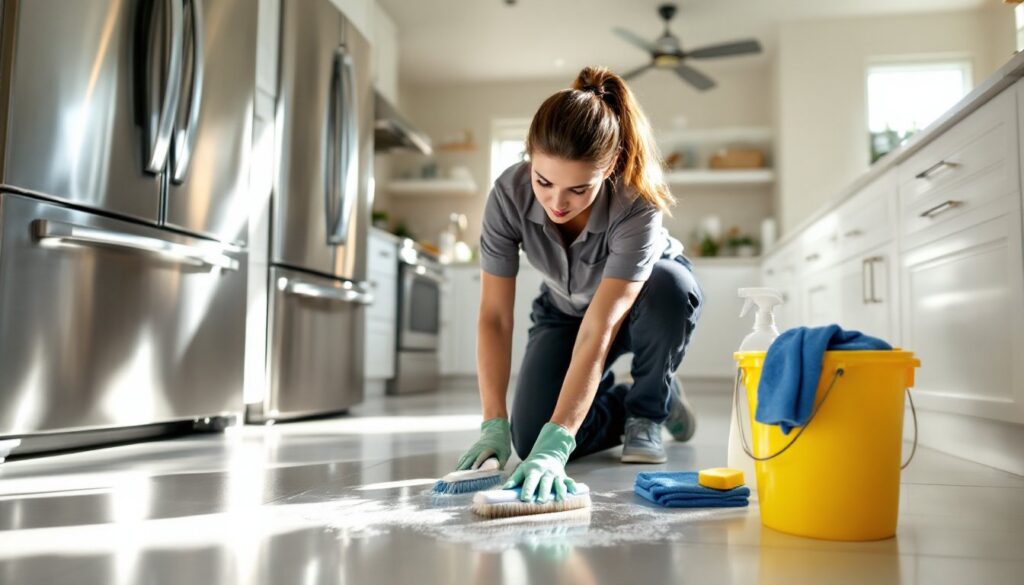
Appliances: Pull out the refrigerator and range to vacuum coils and mop underneath. Remove and soak oven racks in hot water with degreasing dish soap (let them sit 30 minutes minimum). Use a baking soda paste on oven interiors: commercial cleaners work faster but require ventilation, crack a window and turn on the exhaust fan. Don’t forget the microwave interior, dishwasher filter, and garbage disposal (run ice cubes and lemon peels to clear buildup).
Cabinets and Surfaces: Wipe down cabinet fronts and interiors with a microfiber cloth and all-purpose cleaner. Pay attention to handles and knobs where oils from hands accumulate. Degrease the backsplash and any tile grout with a stiff brush and a mix of white vinegar and baking soda. For stubborn grout stains, a steam cleaner works wonders, rental units are available at most hardware stores in Houston.
Floors and Baseboards: Sweep or vacuum thoroughly, then mop with a cleaner suited to your flooring type (avoid excess water on hardwood). Scrub baseboards with a damp rag: an old toothbrush helps in corners.
Bathroom Sanitization and Mold Prevention
Bathrooms are Houston’s mold magnets. Aim for sanitization, not just surface cleaning.
Fixtures and Tile: Scrub toilets with a disinfectant cleaner that kills mold spores, look for EPA-registered products listing efficacy against Stachybotrys (black mold). Clean showerheads by soaking in vinegar overnight to dissolve mineral deposits. Tackle tile grout with a bleach-based cleaner or hydrogen peroxide (wear gloves and ensure ventilation). A grout brush or even a drill with a brush attachment speeds the job.
Ventilation and Drains: Clean exhaust fan covers and vacuum the fan blades. Poor ventilation is the top cause of bathroom mold in humid climates. Pour baking soda followed by vinegar down drains monthly to prevent clogs and odors. For persistent mold on caulk or grout, consider re-caulking, it’s a small investment that prevents bigger problems.
Floors and Walls: Mop tile floors with a disinfectant. Wipe down walls, especially around the tub and toilet, where humidity condenses. If you spot mold on drywall or behind fixtures, that’s a sign of a moisture problem, address the source or consult a professional before it spreads.
DIY Deep Cleaning vs. Professional Services: What’s Right for Your Houston Home
Deciding whether to DIY or hire out depends on time, budget, and the scope of work.
When to DIY: If you have a weekend free, the right tools, and a home under 2,000 square feet, tackling it yourself is doable. You’ll need a quality vacuum with HEPA filtration, microfiber cloths, a steam cleaner (rent if you don’t own), and task-specific products (degreasers, disinfectants, glass cleaner). Budget 8–12 hours for a thorough job in an average three-bedroom home. The main advantage is cost, you’ll spend $50–$150 on supplies versus $200–$500 for professional service.
DIY also gives you control over products, which matters if you’re avoiding harsh chemicals or have sensitivities. Just be realistic: deep cleaning is physical work. You’ll be on your knees scrubbing grout, moving furniture, and reaching ceiling fans. Wear gloves, knee pads, and safety goggles when using chemical cleaners.
When to Hire Professionals: If you’re short on time, dealing with a home over 3,000 square feet, or facing serious mold or allergen issues, professionals bring efficiency and expertise. Houston-based services typically offer flat rates or hourly pricing ($25–$50 per hour per cleaner). For specialized tasks, air duct cleaning, carpet steam cleaning, or post-construction cleanup, pros have commercial-grade equipment and training.
Professional teams also carry liability insurance, which matters if something gets damaged. If you’re preparing a home for sale or dealing with a hoarder cleanout, the investment often pays for itself in speed and thoroughness. For everyday maintenance tips that keep your home fresh between deep cleans, smart house cleaning hacks can save hours every week.
How to Choose the Best Deep Cleaning Service in Houston
Houston has hundreds of cleaning companies, from solo operators to franchise chains. Here’s how to vet them.
Licensing and Insurance: Verify the company is bonded and insured. This protects you if a cleaner is injured on your property or if something breaks. Ask for proof of general liability and workers’ compensation coverage.
Services and Pricing: Get a detailed quote. Reputable companies visit your home or request photos and room counts before pricing. Watch for vague “starting at” rates that balloon once work begins. Deep cleaning should include baseboards, fans, appliances, and fixtures, not just floors and counters. Confirm whether they bring supplies or if you’re expected to provide them.
Reviews and References: Check Google, Yelp, and the Better Business Bureau. Look for patterns in reviews, consistent complaints about missed areas or damage are red flags. Ask for references from Houston clients with similar homes. Established companies should have no problem providing them.
Screening and Training: Ask how they vet employees. Background checks and drug screening are standard for reputable services. Inquire about training, do they follow checklists? Do they understand the difference between disinfecting and sanitizing? Companies that invest in training deliver more consistent results.
Green Cleaning Options: If you prefer eco-friendly or non-toxic products, confirm the service offers them. Many Houston companies now use plant-based cleaners that are effective without harsh fumes, important in homes with kids, pets, or asthma sufferers. For product recommendations and detailed cleaning methods, resources like Good Housekeeping and The Spruce publish tested reviews and step-by-step guides.
Flexibility and Communication: A good service works around your schedule and communicates clearly. Can they accommodate same-day or weekend appointments? Do they confirm appointments in advance? Small details like these separate pros from amateurs. For seasonal deep cleaning ideas and organization strategies, Martha Stewart offers tried-and-true techniques that complement professional services.
Conclusion
Deep cleaning resets your home’s health and livability, especially in Houston’s challenging climate. Whether you tackle it yourself or hire a pro, the key is consistency, make it a twice-yearly ritual, not a once-in-a-decade panic. Start with the checklist, gather your tools, and take it room by room. Your baseboards (and your lungs) will thank you.