Table of Contents
ToggleA 12×16 tiny house offers something most starter homes don’t: complete design control without a crushing mortgage. At 192 square feet, it’s compact enough to avoid many municipal regulations while spacious enough for full-time living or a functional backyard studio. Whether you’re planning a DIY build on a permanent foundation or a RVIA-compliant structure on a trailer, this footprint strikes a practical balance between livability and buildability. This guide walks through layout strategies, realistic cost breakdowns, and the permit landscape for 2026, so builders can avoid costly missteps before the first stud goes up.
Key Takeaways
- A 12×16 tiny house at 192 square feet fits below most ADU thresholds, potentially bypassing costly utility hookups and complex inspections while remaining livable for full-time occupants or secondary uses.
- Standard lumber dimensions (12-foot walls and 16-foot lengths) minimize construction waste, and a solo builder can typically complete the weather-tight shell in 300–500 labor hours, reducing overall time and cost.
- DIY builders can construct a 12×16 tiny house for $14,000–$25,000 in materials, while contractor-built turnkey versions range $30,000–$50,000, making this footprint the most affordable entry point to property ownership.
- Maximize the compact layout with a sleeping loft over a wet bath, 18-inch-deep kitchen cabinetry, pocket doors, and vertical storage extending to the ceiling to reclaim functional square footage.
- Zoning regulations, permit requirements, and trailer certifications (RVIA/NOAH) vary by jurisdiction—confirm local codes, setback requirements, and occupancy restrictions before purchasing materials or breaking ground.
- Interior design strategies like light-colored walls, flooring aligned with the 16-foot dimension, layered LED lighting, and strategic mirrors make 192 square feet feel spacious and prevent the cramped sensation of smaller structures.
Why a 12×16 Tiny House Is the Perfect Starter Size
The 12×16 footprint sits just below the 200-square-foot threshold many jurisdictions use to define an accessory dwelling unit (ADU) versus a primary residence. That distinction matters, structures under 200 square feet often bypass requirements for separate utility hookups, complex foundation inspections, or impact fees.
From a construction standpoint, 12-foot walls align with standard lumber lengths (studs, rafters, floor joists), minimizing waste and cutting costs. A single builder can frame walls on the ground and tilt them into place without a crane. The 16-foot dimension accommodates two 8-foot sheets of plywood or OSB sheathing laid end-to-end, reducing cuts and seam work.
For DIYers, the scale is manageable. Most 12×16 builds take 300–500 labor hours for a weather-tight shell, assuming weekend work schedules. Material costs for framing, sheathing, roofing, and basic insulation typically run $8,000–$12,000 before windows, doors, or interior finishes. Compare that to a 400-square-foot ADU, where foundation and utility tie-ins alone can exceed $15,000.
This size also works as a multipurpose structure: guest cottage, home office, rental unit, or transitional housing while a main residence is under construction. Simple 12×16 tiny house floor plans often include a sleeping loft, wet bath, and combined kitchen-living area, enough function for full-time living without the spatial gymnastics required in ultra-compact designs under 120 square feet.
Design Essentials for Maximizing Your 192 Square Feet
Start with ceiling height. International Residential Code (IRC) Appendix Q mandates a minimum 6’8″ in habitable rooms, but 8-foot walls on the main floor feel less cramped and simplify standard door installation. If adding a loft, step up to 10- or 12-foot sidewalls to create usable headroom above and below. A shed roof sloping from 12 feet down to 10 feet over the 12-foot width provides loft clearance and sheds water efficiently.
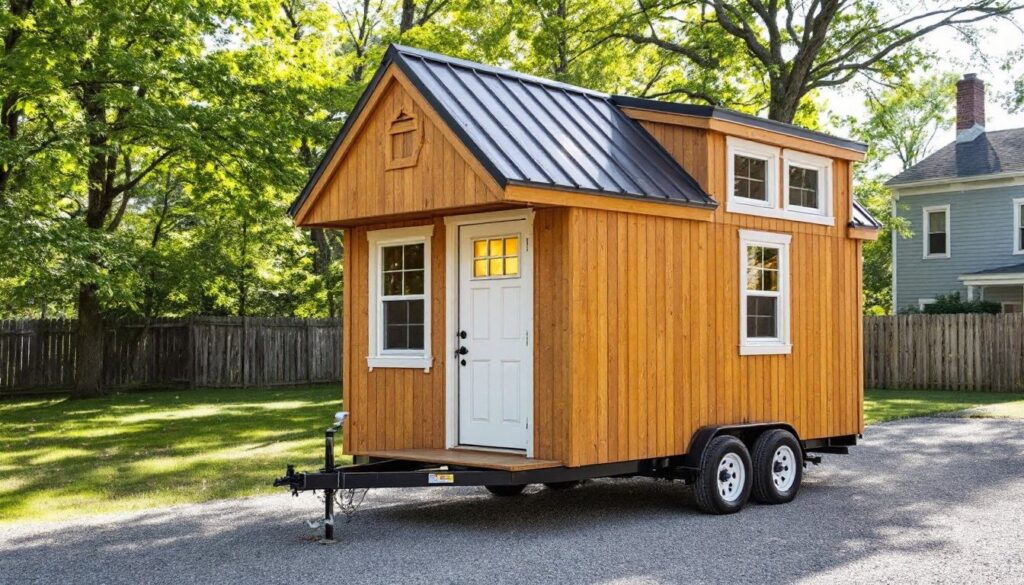
Foundation choice affects both cost and mobility. A pier-and-beam foundation on concrete footings runs $2,000–$4,000 and satisfies most codes for permanent structures. For portability, build on a dual-axle trailer rated for 10,000+ pounds, a 12×16 structure with standard framing and metal roofing typically weighs 7,000–9,000 pounds fully finished.
Smart Layout Options That Make Every Inch Count
The classic configuration places a sleeping loft over a wet bath at one end, freeing the main floor for kitchen and living functions. Frame the loft floor with 2×6 joists on 16-inch centers to handle 40 PSF live load plus dead load (Code requires 30 PSF for sleeping areas, but 2×6 construction adds stiffness and reduces bounce).
Alternatively, forgo the loft and use the full 192 square feet as one level. This approach suits aging-in-place designs or eliminates ladder access issues. A Murphy bed or fold-down platform reclaims 20–30 square feet during waking hours.
Kitchen galley layouts work best along the 16-foot wall. A 24-inch-deep counter with a two-burner cooktop, 18-inch sink, and under-counter refrigerator fits in a 6-foot run. Avoid full-depth 24-inch base cabinets: opt for 18-inch-deep units to preserve floor space. IKEA’s KNOXHULT line offers modular 15- and 18-inch cabinets that many budget-friendly projects modify for tiny house applications.
For the wet bath, a 32×32-inch corner shower and wall-hung toilet keep the footprint under 25 square feet. Specify a 120V ventilation fan (50+ CFM) to meet IRC moisture control standards. Pocket doors save 9 square feet of swing clearance.
Building Your 12×16 Tiny House: Cost Breakdown and Timeline
Material costs fluctuate by region and grade, but here’s a realistic 2026 breakdown for a DIY build (labor not included):
Foundation/trailer: $2,000–$5,000
Framing lumber (studs, joists, rafters): $1,800–$2,500
Sheathing (OSB or plywood): $800–$1,200
Roofing (metal or architectural shingles): $1,000–$1,800
Windows and exterior door: $1,200–$2,000
Insulation (spray foam or batt): $800–$1,500
Siding (vinyl, board-and-batten, or cedar): $1,500–$3,000
Electrical rough-in (wire, boxes, panel): $600–$1,000
Plumbing rough-in (PEX, fixtures): $800–$1,400
Interior finishes (drywall, flooring, trim): $2,000–$3,500
Kitchen and bath fixtures: $1,500–$3,000
Total DIY build: $14,000–$25,000, depending on finish level and whether you hire licensed trades for electrical/plumbing.
Hiring a general contractor typically doubles costs, expect $30,000–$50,000 turnkey. Many owner-builders handle framing, sheathing, and roofing themselves, then subcontract trades for code-required inspections.
Timeline for a solo weekend builder:
- Foundation/trailer prep: 2–3 weekends
- Framing and sheathing: 4–6 weekends
- Roofing and exterior wrap: 2–3 weekends
- Windows, doors, siding: 3–4 weekends
- Rough-in inspections (electrical, plumbing): 2 weekends
- Insulation and drywall: 3–4 weekends
- Finish work (flooring, cabinets, paint): 4–5 weekends
Total elapsed time: 5–7 months at a moderate pace. Weather delays and permit wait times add variability.
Interior Design Tricks to Make Your Space Feel Larger
Light-colored walls and ceilings reflect more lumens per fixture, reducing the cave effect. Flat or eggshell white paint makes 192 square feet read as one continuous volume rather than a series of cramped boxes. Skip accent walls, they chop space visually.
Vertical storage is non-negotiable. Install open shelving or wall-mounted cabinets to within 12 inches of the ceiling. Use the space above doorways for shallow cubbies. In the kitchen, magnetic knife strips and pegboard organizers free up counter area. Many small space strategies emphasize dual-purpose furniture, benches with hidden storage, fold-out desks, and nesting tables.
Mirrors work, but placement matters. A 24×36-inch mirror opposite a window bounces natural light and creates depth without the funhouse effect of floor-to-ceiling coverage.
Flooring should run the longest dimension (16 feet) to elongate sight lines. Luxury vinyl plank (LVP) in 6- or 8-inch widths installs over most subfloors without height buildup and handles moisture better than laminate. Avoid busy patterns or high-contrast grout lines in tile, they fragment the floor plane.
Lighting layering prevents harsh shadows that shrink perceived space. Combine recessed LED cans (4-inch gimbal trim) for general illumination, under-cabinet LED strips in the kitchen, and a wall sconce or pendant over the dining/work zone. Dimmer switches let occupants adjust mood without additional fixtures.
Window treatments should maximize glass area. Roller shades or sheer panels mounted inside the frame preserve wall space and stack tighter than heavy drapes. For privacy without blocking light, cellular shades in a top-down/bottom-up configuration work well in sleeping lofts.
Zoning, Permits, and Legal Considerations for 2026
Zoning regulations vary wildly. Some municipalities treat 12×16 structures as accessory buildings exempt from permitting if they lack plumbing or permanent foundations. Others classify anything with a sleeping area as a dwelling, triggering full code compliance.
Before buying materials, visit your local building department with a site plan showing setbacks (distance from property lines). Most jurisdictions require 5- to 10-foot setbacks for accessory structures, but corner lots and fire-rated walls can alter minimums.
Permanent foundations (piers, slabs, or crawlspaces) usually require a permit, engineered drawings, and inspections at footing, framing, rough-in, and final stages. Expect 4–8 weeks for permit approval in suburban areas: urban and rural timelines vary.
If building on a trailer for mobility, confirm whether your area recognizes RVIA or NOAH (National Organization of Alternative Housing) certifications. Some states allow certified tiny houses on wheels to park on private property as RVs: others ban long-term occupancy unless the structure meets IRC Appendix Q standards and sits on a permanent foundation.
Utility hookups add complexity. Connecting to municipal water and sewer often requires separate permits, inspections, and tap fees ($1,000–$5,000+). Off-grid setups using composting toilets, rainwater catchment, or solar power may face health department or fire marshal scrutiny. Check if your jurisdiction requires a licensed plumber or electrician for final hookups, DIY rough-in is often legal, but final connections must be inspected.
Occupancy restrictions matter if you plan to rent the unit. Many cities cap ADU rentals at 30+ days to avoid short-term rental saturation. Insurance carriers may also require a separate policy for rental dwellings. Homeowners considering organization and efficiency in multi-use spaces should clarify allowable uses with their insurer before listing on rental platforms.
HOA covenants sometimes prohibit outbuildings over a certain square footage or restrict visible structures in backyards. Review your CC&Rs before construction.
Conclusion
A 12×16 tiny house delivers livable space without the permitting labyrinth or budget creep of larger builds. Success hinges on upfront planning: confirm zoning allowances, choose a foundation that aligns with local code, and design for vertical storage and natural light. DIY builders who tackle framing and finish work themselves can complete a turnkey structure for under $20,000, while outsourcing trades pushes costs toward $40,000+. Either way, 192 square feet offers enough room to live comfortably, if every design decision earns its footprint.