
As cities grow and evolve, urban housing developments play a crucial role in shaping their landscapes. These projects not only address the pressing need for affordable housing but also reflect the changing lifestyles and preferences of urban dwellers. With a focus on sustainability, community, and innovation, modern developments are redefining what it means to live in a bustling metropolitan area.
Urban housing isn’t just about buildings; it’s about creating vibrant communities that foster connection and accessibility. From mixed-use spaces that blend residential and commercial areas to eco-friendly designs that prioritize green living, these developments are paving the way for a new era of urban living. As demand increases, understanding the trends and challenges in urban housing becomes essential for anyone invested in the future of our cities.
Overview of Urban Housing Developments
Urban housing developments encompass various projects designed to accommodate the growing population in cities. These developments address both the demand for affordable housing and the need for diverse living environments. Urban housing integrates innovative designs, sustainable practices, and community-centric features.
Urban housing often includes mixed-use spaces, where residential units coexist with commercial and recreational areas. These environments promote accessibility and enhance residents’ quality of life. Eco-friendly construction methods and materials contribute to sustainability, reducing the environmental impact associated with urbanization.
Current trends in urban housing focus on high-density living, adaptive reuse of existing structures, and smart technology integration. High-density designs maximize land use and provide housing for more people, while the adaptive reuse of older buildings preserves cultural heritage and promotes sustainability. Smart technology enhances efficiency, security, and connectivity within these homes.
Challenges persist in urban housing developments, including rising construction costs and zoning regulations. Stakeholders must navigate these issues to create viable, livable communities. Engaging with community members during the planning phase ensures that developments meet the needs of current and future residents.
Key Features of Urban Housing Developments
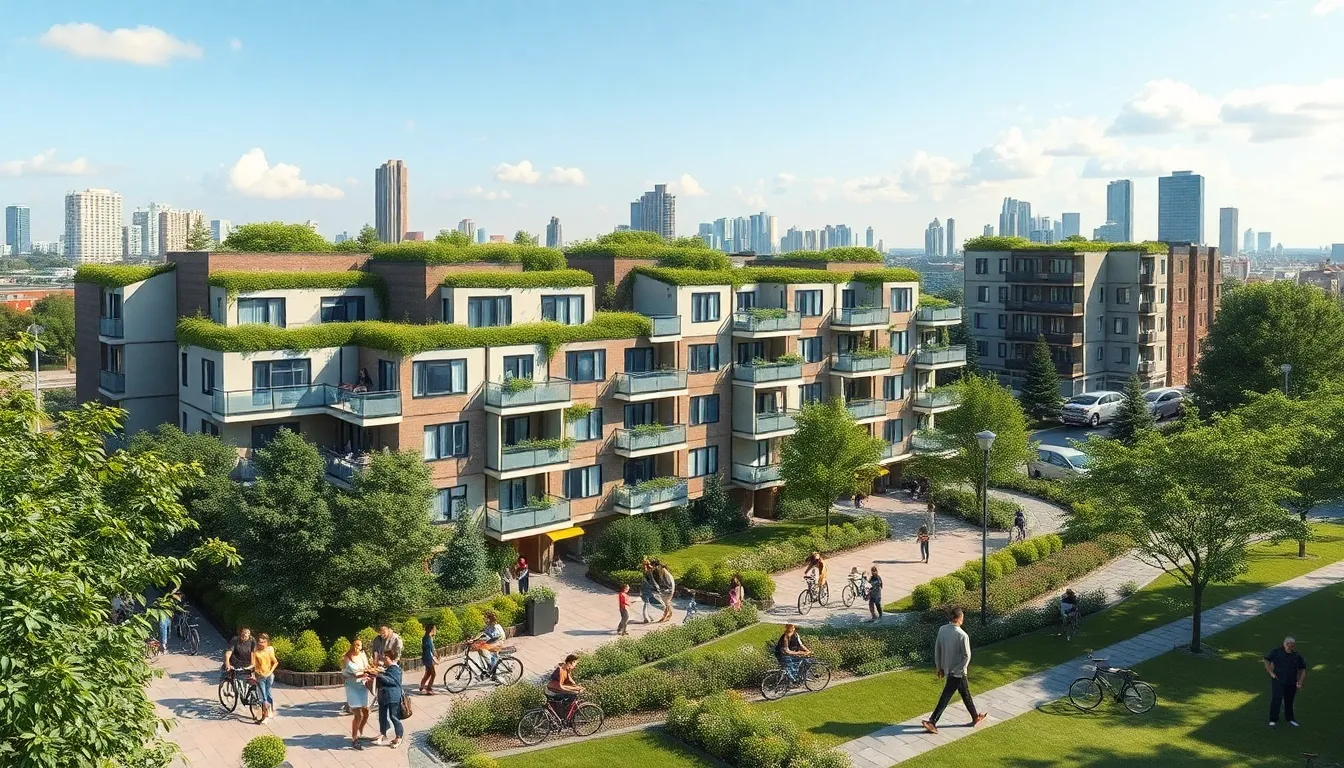
Urban housing developments incorporate essential features that promote sustainability and foster community engagement. These projects not only provide housing solutions but also enhance urban living experiences.
Sustainable Design Principles
Sustainable design principles guide the creation of urban housing developments. These principles emphasize resource efficiency, reduced environmental impact, and enhanced livability. Key elements include:
- Energy-efficient materials: Utilizing materials that provide insulation and reduce energy consumption.
- Green roofs and walls: Integrating vegetation to improve air quality, reduce heat, and manage stormwater.
- Sustainable transportation options: Promoting walking, cycling, and public transportation through accessible infrastructure.
- Water conservation systems: Implementing rainwater harvesting and greywater recycling to minimize water usage.
- Locally sourced materials: Supporting local economies while reducing transportation emissions.
These practices contribute to the overall reduction of the carbon footprint in urban environments.
Community Engagement
Community engagement plays a vital role in the success of urban housing developments. Involving residents fosters a sense of belonging and ensures that projects meet local needs. Critical aspects of community engagement include:
- Public consultations: Holding meetings to gather input and address concerns from residents.
- Collaborative design processes: Collaborating with community members during the design phase to create spaces that reflect their preferences.
- Ongoing feedback mechanisms: Establishing platforms for residents to voice opinions and propose improvements after project completion.
- Participation in decision-making: Empowering residents through involvement in planning and governance structures.
Active community engagement shapes developments that resonate with residents and create vibrant neighborhoods.
Challenges in Urban Housing Developments
Urban housing developments face various challenges that complicate their implementation. Among these are affordability issues and zoning regulations that significantly impact project feasibility.
Affordability Issues
Affordability remains a critical concern in urban housing developments. The rising cost of construction materials and labor has increased overall project expenses. Developers often struggle to keep prices within reach for low- to moderate-income households. Reports indicate that approximately 40% of American renters face housing cost burdens, spending more than 30% of their income on housing. A lack of subsidies or financial incentives further exacerbates this problem. Additionally, gentrification can displace long-time residents, leading to community pushback and tension. Addressing affordability requires innovative funding strategies, partnerships with non-profit organizations, and creative financing solutions to ensure that all residents benefit from urban housing projects.
Zoning Regulations
Zoning regulations present another significant challenge in urban housing developments. Local government policies dictate land use, density, and building heights, often limiting project scope. These regulations can impede the ability to create diverse housing options, particularly in high-demand areas. Some zoning codes may restrict mixed-use developments that combine residential, commercial, and recreational spaces, which are vital for vibrant communities. Complex approval processes can lead to delays and increased development costs, ultimately discouraging investments. Advocating for zoning reform that promotes flexibility and adaptability is essential for fostering innovative and sustainable urban housing solutions.
Future Trends in Urban Housing Developments
Urban housing developments are evolving to incorporate innovative solutions that enhance livability and sustainability. Key trends focus on technology integration and green building practices.
Technology Integration
Technology integration is reshaping urban housing developments by enhancing convenience and efficiency. Automated home systems allow residents to control heating, lighting, and security from their smartphones. Smart community features, such as app-based services for maintenance requests or package deliveries, improve resident engagement. Data analytics also enable developers to assess resident preferences, guiding design decisions and amenity offerings. Furthermore, Internet of Things (IoT) devices within buildings optimize energy usage, reducing costs while promoting sustainability. Adoption of these technologies reflects changing lifestyles and demands for modern living.
Green Building Practices
Green building practices are vital to creating environmentally sustainable urban housing. Developers increasingly prioritize sustainable materials that minimize carbon footprints, such as recycled steel and reclaimed wood. Designs often incorporate energy-efficient systems, including solar panels and high-performance insulation, to lower energy consumption. Green roofs and living walls contribute to biodiversity, improve air quality, and manage stormwater runoff. Additionally, urban housing projects emphasize walkable neighborhoods, reducing reliance on automobiles and promoting alternative transportation methods like biking and public transit. These practices enhance residents’ quality of life and ensure developments align with broader sustainability goals.
Urban housing developments play a crucial role in the evolution of city life. They not only address the pressing need for affordable housing but also foster vibrant communities that reflect the diverse lifestyles of residents. As cities continue to grow, the integration of sustainable practices and innovative designs becomes essential for enhancing livability.
By prioritizing community engagement and adaptive reuse, these developments can effectively meet the needs of current and future residents. As challenges persist, collaboration among stakeholders will be vital in creating flexible solutions that promote inclusivity and sustainability. The future of urban living hinges on these transformative projects, paving the way for more resilient and connected communities.